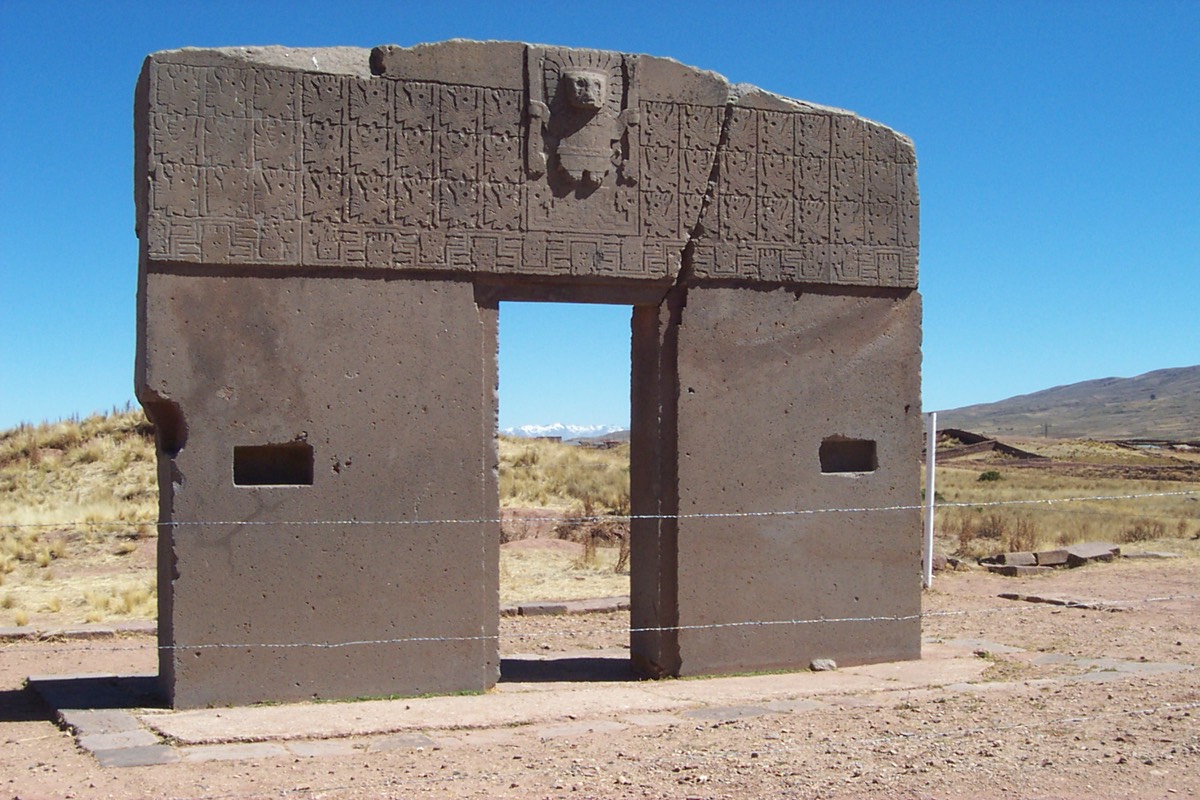
La Paz department · Bolivia
UNESCO World Heritage site since 2000Tiwanaku tickets: 100 BOB
Main adult ticket: Foreign visitors. Every ticket type is listed here, checked on the official site in October 2026.
Part of the World Heritage site Tiwanaku: Centre of the Tiwanaku Culture.
Last updated
- Foreign visitors100 BOB
- Bolivian nationals15 BOB
- Bolivian schoolchildren5 BOB
Main ticket 100 BOB (about US$8 · £6, 2026-10-23 rates)
Checked October 2026 on the official site
Opening hours
Every day, 9am to 4pm.
Booking
Run by CIAAAT, the Tiwanaku research and management centre, at the end of Avenida Manco Kapac in the town of Tiwanaku.
World Heritage site
Part of Tiwanaku: Centre of the Tiwanaku Culture, on UNESCO's list since 2000. Listed as rare evidence of a culture and a landmark of its kind.
Buy from the official seller: CIAAAT: Tiwanaku official site (in Spanish)
On the map
Where Tiwanaku is, and the places around it. Tap a dot for its price. Open the full map
Cultural Natural Mixed Other famous sights Prices checked In Danger
Map: OpenFreeMap, OpenMapTiles and OpenStreetMap contributors. Site positions from UNESCO's open data. "In Danger": on UNESCO's List of World Heritage in Danger.
Nearby
Within 100 km (62 miles), as the crow flies.
World Heritage sites
None within 100 km. The nearest is Qhapaq Ñan, Andean Road System, 212 km (132 miles) away.
Questions
How much does it cost to visit Tiwanaku?
The main adult ticket (Foreign visitors) costs 100 BOB, about US$8 · £6. Prices were checked on the official website in October 2026.
When is Tiwanaku open?
Every day, 9am to 4pm.
Do you need to book Tiwanaku tickets in advance?
Run by CIAAAT, the Tiwanaku research and management centre, at the end of Avenida Manco Kapac in the town of Tiwanaku.
Is Tiwanaku a World Heritage site?
Yes: it's part of the World Heritage site Tiwanaku: Centre of the Tiwanaku Culture, on UNESCO's list since 2000, listed as rare evidence of a culture and a landmark of its kind.