Australia · Mixed
UNESCO World Heritage site since 1987Uluru-Kata Tjuta National Park
What entry costs
Why it's on the list
UNESCO lists a place when it meets at least one of ten criteria. Uluru-Kata Tjuta National Park meets three, in our own words:
A traditional way of life
An outstanding example of how people have traditionally settled and used the land or sea.
Criterion (v)
Natural beauty
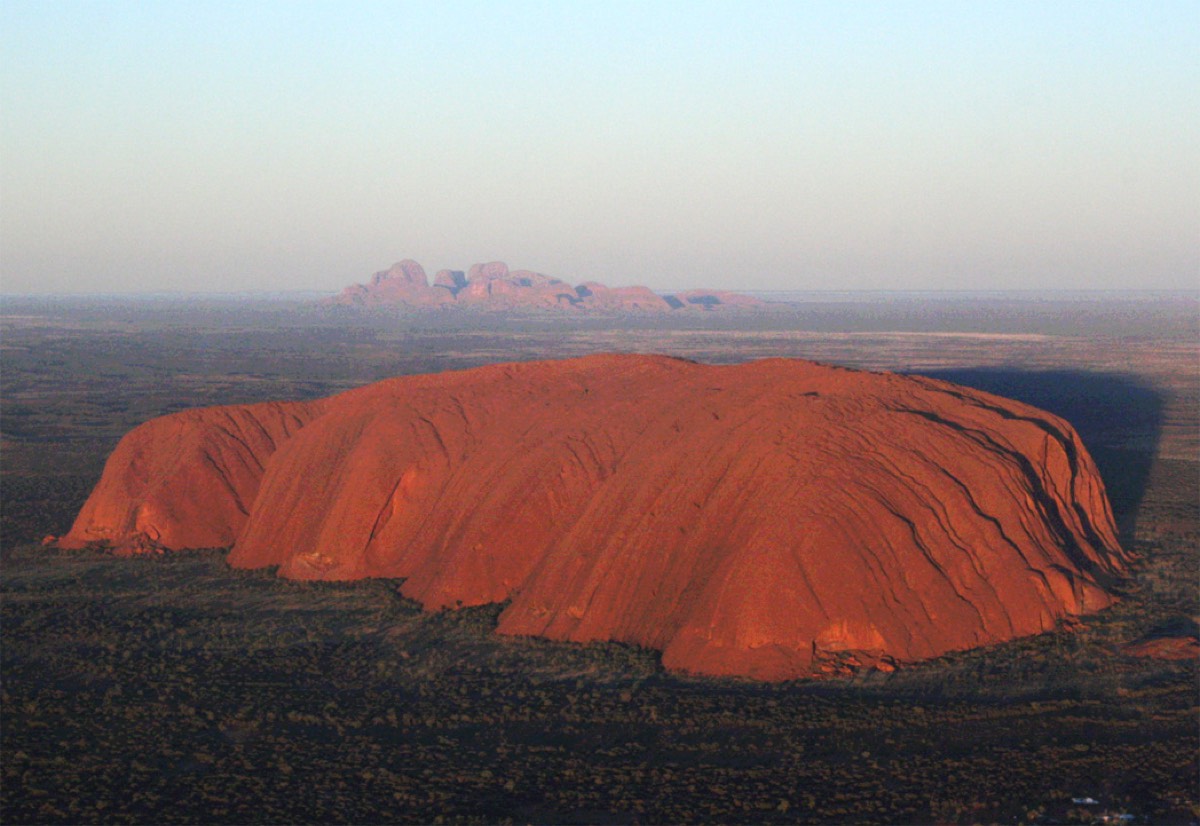
A natural wonder, or a landscape of exceptional beauty.
Criterion (vii)
Earth's history
A record of the Earth's history: its rocks, fossils and landforms.
Criterion (viii)
On the map
Where the site is, and the places around it. Tap a dot for its price. Open the full map
Cultural Natural Mixed Other famous sights Prices checked In Danger
Map: OpenFreeMap, OpenMapTiles and OpenStreetMap contributors. Site positions from UNESCO's open data. "In Danger": on UNESCO's List of World Heritage in Danger.
Nearby
Within 100 km (62 miles), as the crow flies.
World Heritage sites
None within 100 km. The nearest is Purnululu National Park, 909 km (565 miles) away.
About the listing
- Country
- Australia
- Type
- Mixed
- Listed by UNESCO
- 1987
- Extended
- 1994
- Area
- 1,326 km² (512 square miles)
Questions
When did Uluru-Kata Tjuta National Park become a World Heritage site?
In 1987, when UNESCO added it to the World Heritage List; it was extended in 1994.
Why is Uluru-Kata Tjuta National Park a World Heritage site?
UNESCO listed it for meeting three of its ten criteria: an outstanding example of how people have traditionally settled and used the land or sea; a natural wonder, or a landscape of exceptional beauty; a record of the Earth's history: its rocks, fossils and landforms.