Israel · Cultural
UNESCO World Heritage site since 2001Old City of Acre
What entry costs
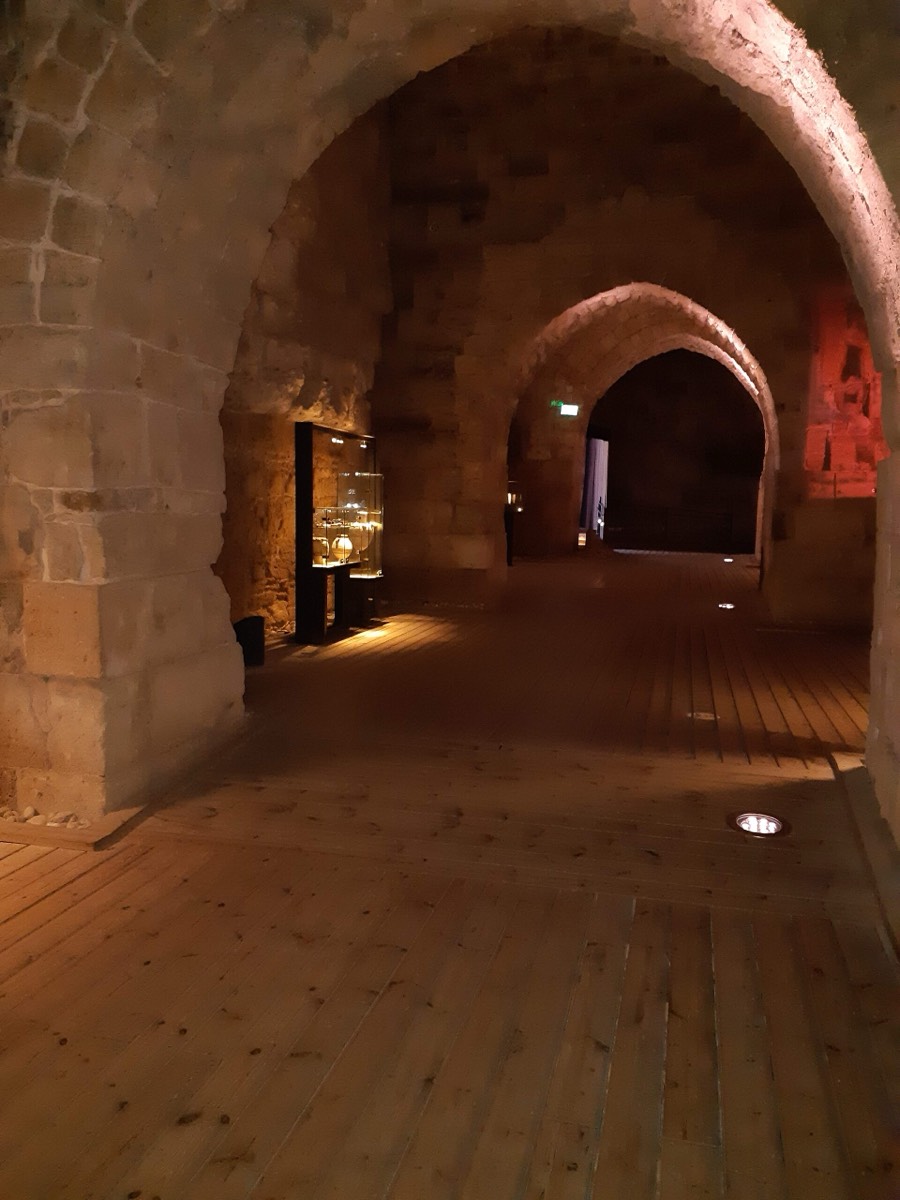
Why it's on the list
UNESCO lists a place when it meets at least one of ten criteria. Old City of Acre meets three, in our own words:
An exchange of ideas
Shows ideas in architecture, art, technology or town planning passing between cultures.
Criterion (ii)
Rare evidence of a culture
Unique or rare evidence of a civilisation or cultural tradition, living or lost.
Criterion (iii)
A traditional way of life
An outstanding example of how people have traditionally settled and used the land or sea.
Criterion (v)
On the map
Where the site is, and the places around it. Tap a dot for its price. Open the full map
Cultural Natural Mixed Other famous sights Prices checked In Danger
Map: OpenFreeMap, OpenMapTiles and OpenStreetMap contributors. Site positions from UNESCO's open data. "In Danger": on UNESCO's List of World Heritage in Danger.
Nearby
Within 100 km (62 miles), as the crow flies.
World Heritage sites
- Bahá’i Holy Places in Haifa and the Western GalileeIsrael · listed 200814 km (9 miles)
- Necropolis of Bet She’arim: A Landmark of Jewish RenewalIsrael · listed 201525 km (16 miles)
- Human Evolution Sites at Mount CarmelIsrael · listed 201230 km (18 miles)
- Biblical Tels - Megiddo, Hazor, Beer ShebaIsrael · listed 200538 km (23 miles)From 31 ILS
- TyreLebanon · listed 198440 km (25 miles)
- Mount Amel CastlesLebanon · listed 202644 km (27 miles)
Entry prices we've checked
- Tel Megiddo National ParkMegiddo, Israel39 km (24 miles)31 ILS
About the listing
- Country
- Israel
- Type
- Cultural
- Listed by UNESCO
- 2001
- Area
- 63 hectares (156 acres)
Questions
When did Old City of Acre become a World Heritage site?
In 2001, when UNESCO added it to the World Heritage List.
Why is Old City of Acre a World Heritage site?
UNESCO listed it for meeting three of its ten criteria: shows ideas in architecture, art, technology or town planning passing between cultures; unique or rare evidence of a civilisation or cultural tradition, living or lost; an outstanding example of how people have traditionally settled and used the land or sea.