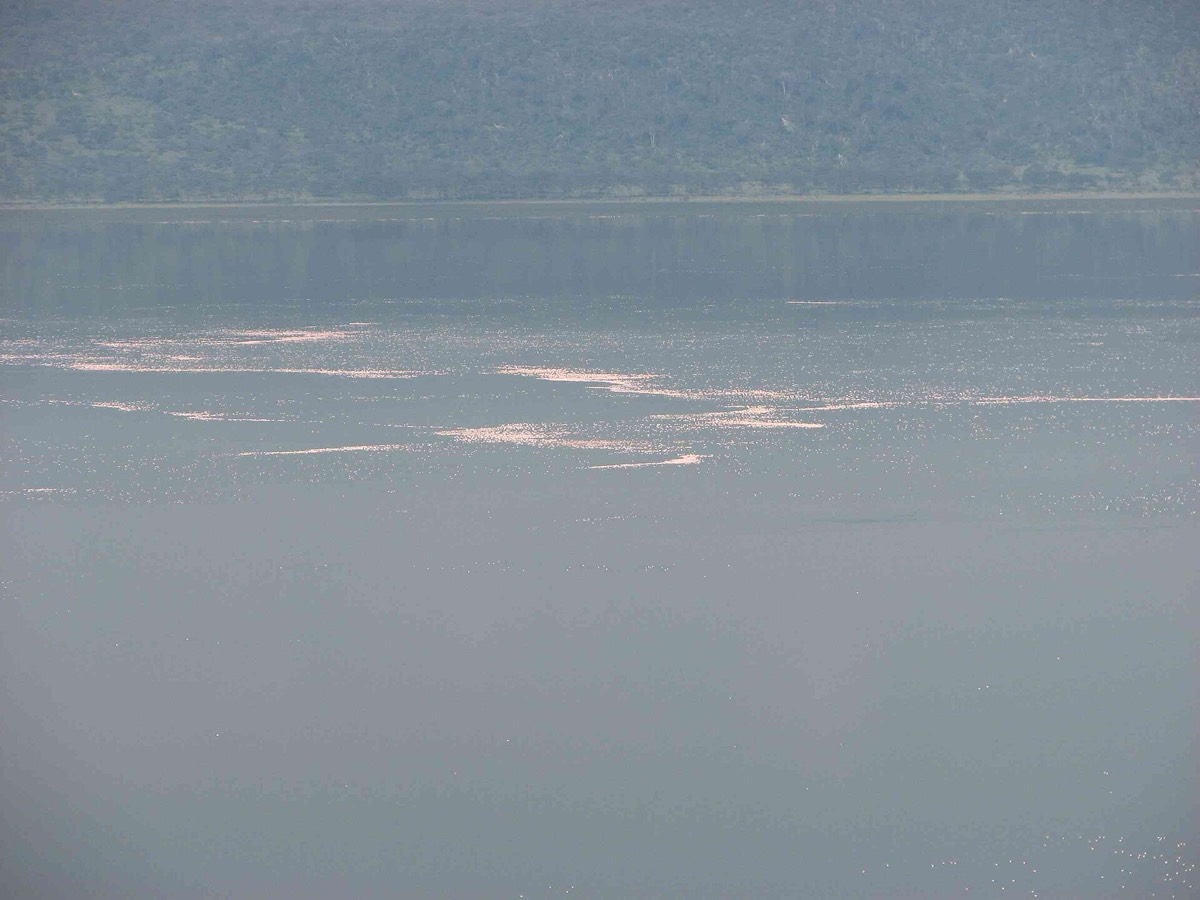
Kenya · Natural · 3 parts
UNESCO World Heritage site since 2011Kenya Lake System in the Great Rift Valley
What entry costs
Why it's on the list
UNESCO lists a place when it meets at least one of ten criteria. Kenya Lake System in the Great Rift Valley meets three, in our own words:
Natural beauty
A natural wonder, or a landscape of exceptional beauty.
Criterion (vii)
Living ecosystems
Shows ecosystems, and the plants and animals in them, still evolving.
Criterion (ix)
Wildlife
One of the most important places for wild plants and animals, including threatened species.
Criterion (x)
On the map
Where the site is, and the places around it. Tap a dot for its price. Open the full map
Cultural Natural Mixed Other famous sights Prices checked In Danger
Map: OpenFreeMap, OpenMapTiles and OpenStreetMap contributors. Site positions from UNESCO's open data. "In Danger": on UNESCO's List of World Heritage in Danger.
Nearby
Within 100 km (62 miles), as the crow flies.
World Heritage sites
None within 100 km. The nearest is Mount Kenya National Park/Natural Forest, 124 km (77 miles) away.
About the listing
- Country
- Kenya
- Type
- Natural
- Listed by UNESCO
- 2011
- Area
- 320 km² (124 square miles)
- Separate parts
- 3
Questions
When did Kenya Lake System in the Great Rift Valley become a World Heritage site?
In 2011, when UNESCO added it to the World Heritage List.
Why is Kenya Lake System in the Great Rift Valley a World Heritage site?
UNESCO listed it for meeting three of its ten criteria: a natural wonder, or a landscape of exceptional beauty; shows ecosystems, and the plants and animals in them, still evolving; one of the most important places for wild plants and animals, including threatened species.