China · Cultural · 2 parts
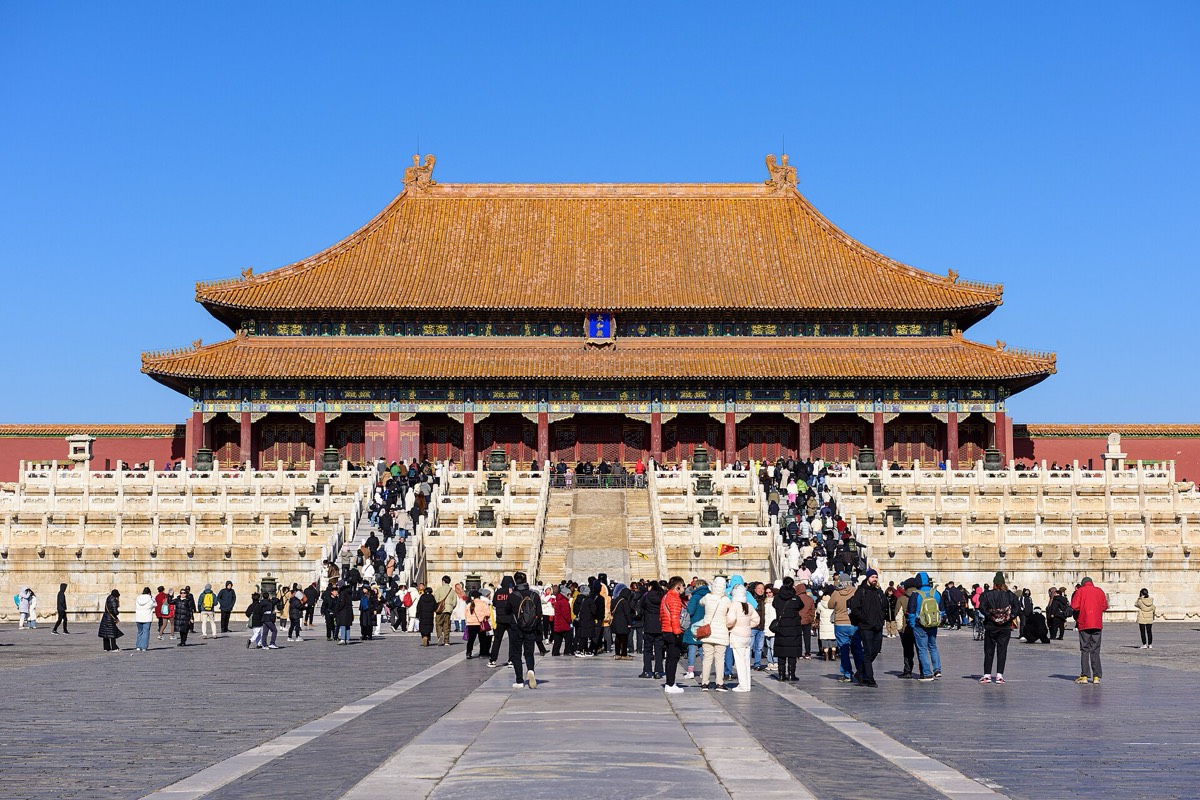
UNESCO World Heritage site since 1987Imperial Palaces of the Ming and Qing Dynasties
UNESCO's name: Imperial Palaces of the Ming and Qing Dynasties in Beijing and Shenyang
What entry costs
Why it's on the list
UNESCO lists a place when it meets at least one of ten criteria. Imperial Palaces of the Ming and Qing Dynasties meets four, in our own words:
A creative masterpiece
A masterpiece of human creativity.
Criterion (i)
An exchange of ideas
Shows ideas in architecture, art, technology or town planning passing between cultures.
Criterion (ii)
Rare evidence of a culture
Unique or rare evidence of a civilisation or cultural tradition, living or lost.
Criterion (iii)
A landmark of its kind
An outstanding example of a kind of building or landscape that marks a stage in human history.
Criterion (iv)
On the map
Where the site is, and the places around it. Tap a dot for its price. Open the full map
Cultural Natural Mixed Other famous sights Prices checked In Danger
Map: OpenFreeMap, OpenMapTiles and OpenStreetMap contributors. Site positions from UNESCO's open data. "In Danger": on UNESCO's List of World Heritage in Danger.
Nearby
Within 100 km (62 miles), as the crow flies.
World Heritage sites
None within 100 km. The nearest is Imperial Tombs of the Ming and Qing Dynasties, 112 km (70 miles) away.
About the listing
- Country
- China
- Type
- Cultural
- Listed by UNESCO
- 1987
- Extended
- 2004
- Area
- 85 hectares (210 acres)
- Separate parts
- 2
Questions
When did Imperial Palaces of the Ming and Qing Dynasties become a World Heritage site?
In 1987, when UNESCO added it to the World Heritage List; it was extended in 2004.
Why is Imperial Palaces of the Ming and Qing Dynasties a World Heritage site?
UNESCO listed it for meeting four of its ten criteria: a masterpiece of human creativity; shows ideas in architecture, art, technology or town planning passing between cultures; unique or rare evidence of a civilisation or cultural tradition, living or lost; an outstanding example of a kind of building or landscape that marks a stage in human history.