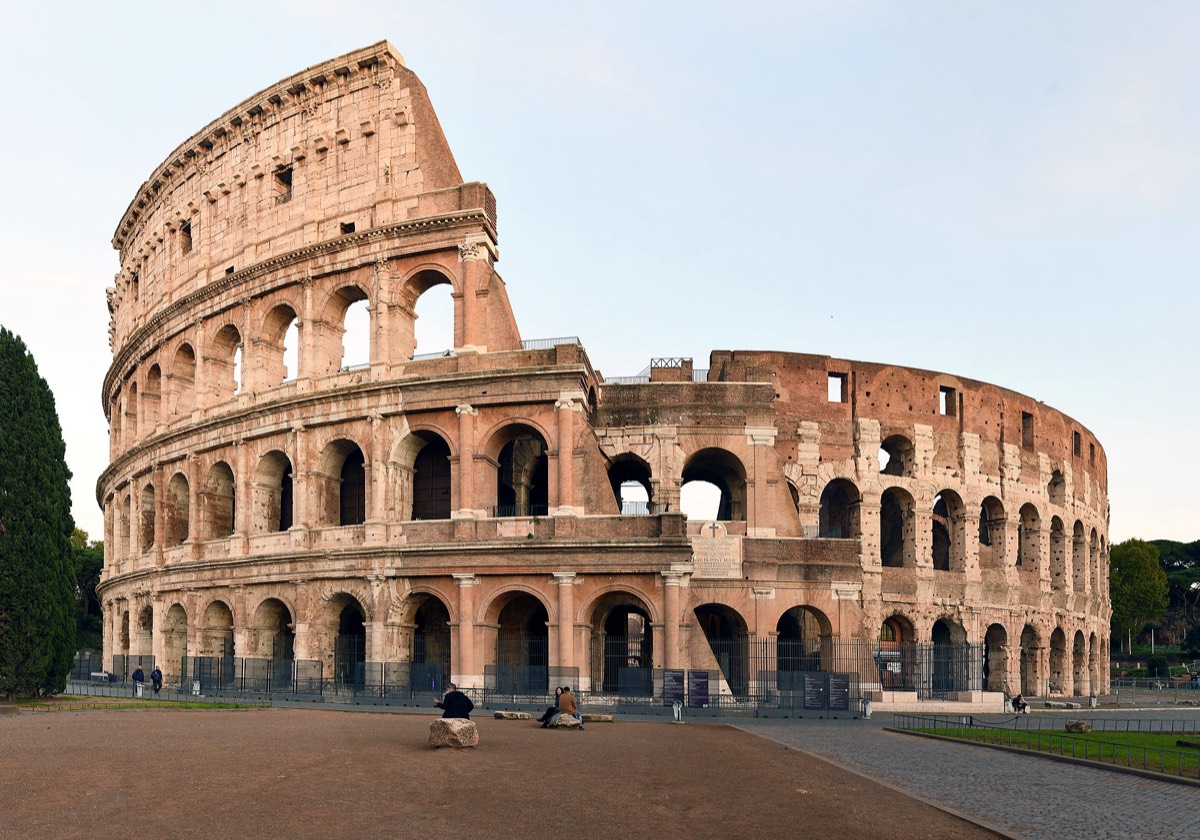
Italy, Vatican City · Cultural · 3 parts
UNESCO World Heritage site since 1980Historic Centre of Rome
UNESCO's name: Historic Centre of Rome, the Properties of the Holy See in that City Enjoying Extraterritorial Rights and San Paolo Fuori le Mura
What entry costs
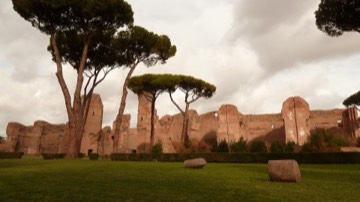 Baths of CaracallaRomeWorld Heritage since 1980€10about US$11 · £8
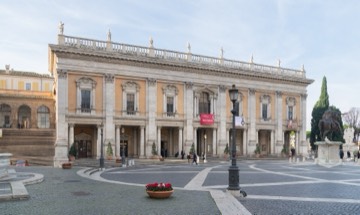 Capitoline MuseumsRomeWorld Heritage since 1980€16.50about US$18 · £14
 ColosseumRomeWorld Heritage since 1980€18about US$20 · £15
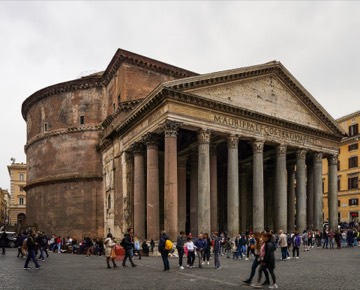 PantheonRomeWorld Heritage since 1980€7about US$8 · £6
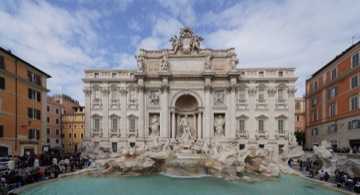 Trevi FountainRomeWorld Heritage since 1980€2about US$2 · £2
Why it's on the list
UNESCO lists a place when it meets at least one of ten criteria. Historic Centre of Rome meets four, in our own words:
A creative masterpiece
A masterpiece of human creativity.
Criterion (i)
An exchange of ideas
Shows ideas in architecture, art, technology or town planning passing between cultures.
Criterion (ii)
Rare evidence of a culture
Unique or rare evidence of a civilisation or cultural tradition, living or lost.
Criterion (iii)
A landmark of its kind
An outstanding example of a kind of building or landscape that marks a stage in human history.
Criterion (iv)
On the map
Where the site is, and the places around it. Tap a dot for its price. Open the full map
Cultural Natural Mixed Other famous sights Prices checked In Danger
Map: OpenFreeMap, OpenMapTiles and OpenStreetMap contributors. Site positions from UNESCO's open data. "In Danger": on UNESCO's List of World Heritage in Danger.
Nearby
Within 100 km (62 miles), as the crow flies.
World Heritage sites
- Vatican CityVatican City · listed 19843 km (2 miles)From €17
- Villa Adriana (Tivoli)Italy · listed 199924 km (15 miles)From €15
- Villa d'Este, TivoliItaly · listed 200126 km (16 miles)
- Etruscan Necropolises of Cerveteri and TarquiniaItaly · listed 200435 km (22 miles)From €13
- Via Appia. Regina ViarumItaly · listed 202492 km (57 miles)
Entry prices we've checked
- Borghese GalleryRome, Italy3 km (2 miles)€16
- St Peter's DomeVatican City3 km (2 miles)€17
- Vatican MuseumsVatican City4 km (2 miles)€20
- Villa AdrianaTivoli, Italy24 km (15 miles)€15
- Tarquinia NecropolisTarquinia, Italy72 km (44 miles)€13
About the listing
- Countries
- Italy, Vatican City
- Type
- Cultural
- Listed by UNESCO
- 1980
- Extended
- 1990
- Area
- 15 km² (5.7 square miles)
- Separate parts
- 3
Questions
When did Historic Centre of Rome become a World Heritage site?
In 1980, when UNESCO added it to the World Heritage List; it was extended in 1990.
Why is Historic Centre of Rome a World Heritage site?
UNESCO listed it for meeting four of its ten criteria: a masterpiece of human creativity; shows ideas in architecture, art, technology or town planning passing between cultures; unique or rare evidence of a civilisation or cultural tradition, living or lost; an outstanding example of a kind of building or landscape that marks a stage in human history.